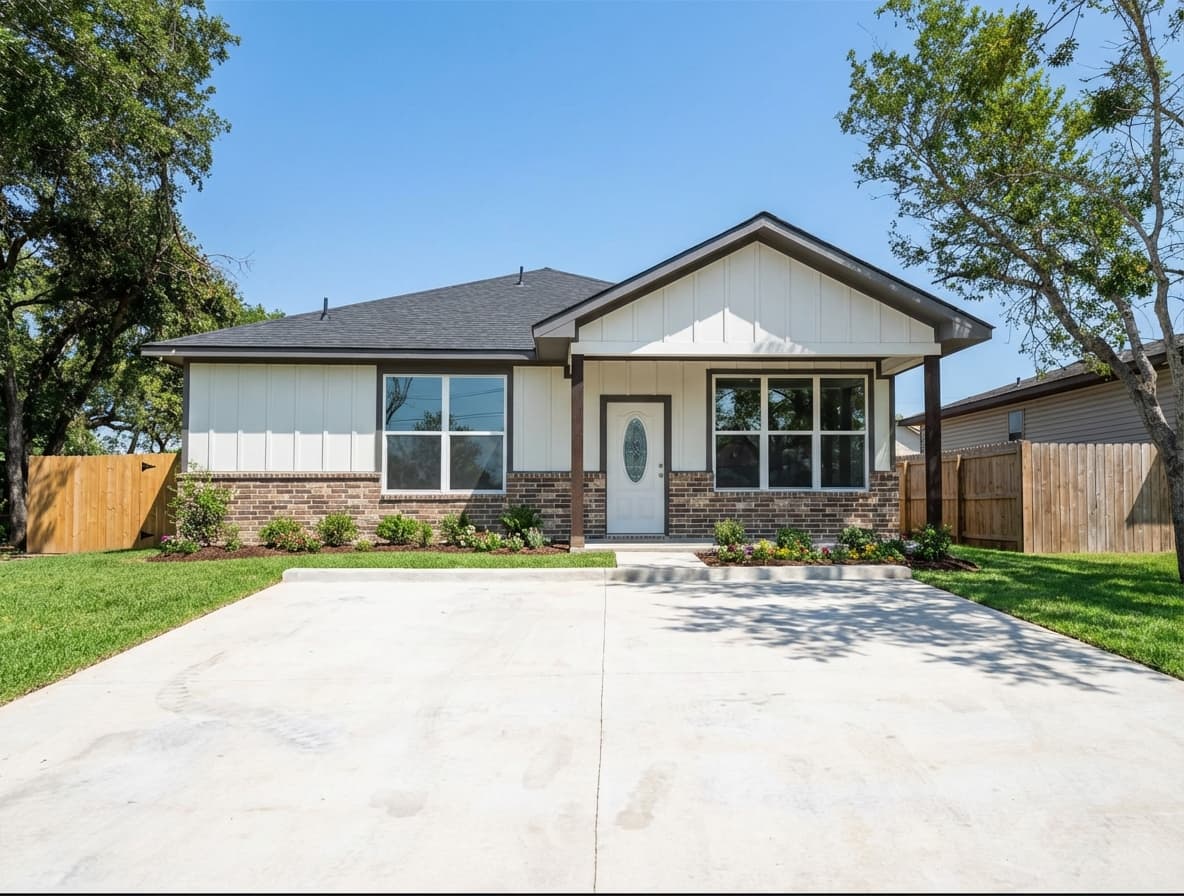
The foundation is literally what your home rests on, so it must be built right. In the Bryan–College Station area, this is especially important because our local soil and climate pose unique challenges. Much of the Brazos Valley has highly expansive clay soil that swells when wet and shrinks in drought. Add our roughly 40 inches of rain per year followed by hot dry spells, and you get cycles of soil heaving and contracting. If a foundation isn't designed for this, it can move unevenly and crack. That's why foundations here require extra attention and often benefit from professional engineering to ensure long-term stability.
Signs of Foundation Problems
As a homeowner, you should watch for early warning signs that your foundation is under stress. Small issues can grow into big headaches if ignored. Keep an eye out for:
- Cracks in walls or masonry: Diagonal or stair-step cracks in brick exteriors, or hairline cracks above door frames. These often indicate the slab has shifted slightly.
- Sticking doors or windows: If doors begin to jam or windows won't slide easily, one part of the house may be settling.
- Uneven floors or gaps: Notice floors beginning to slope or gaps forming between crown molding or baseboards and the wall. These are common indicators that soil movement is affecting the structure.
If you see one or two of these minor signs, don't panic – but do pay attention. Foundation maintenance can help prevent further damage.
Essential Tips for Homeowners
- Ensure proper drainage: Make sure water flows away from your foundation. After any rain, walk around your house to check that there's no ponding near the slab. Clear gutters and extend downspouts so runoff ends up several feet away.
- Keep soil moisture consistent: In a hot Texas summer, the clay around your home can dry out and shrink. It's wise to use soaker hoses or drip irrigation a foot or so from the foundation during long dry spells.
- Be strategic with landscaping: Large trees or shrubs planted right next to your slab can suck moisture out of the soil unevenly. Try to keep big thirsty plants a reasonable distance from the foundation.
- Fix leaks promptly: An undetected plumbing leak under or near the slab can oversaturate soil and cause parts of the foundation to heave upward.
Professional Solutions
With these preventive measures, your foundation will be in much better shape to handle our climate. However, if you notice major changes – like cracks that keep widening, doors that suddenly won't close at all, or significant settling – it's time to call in professionals.
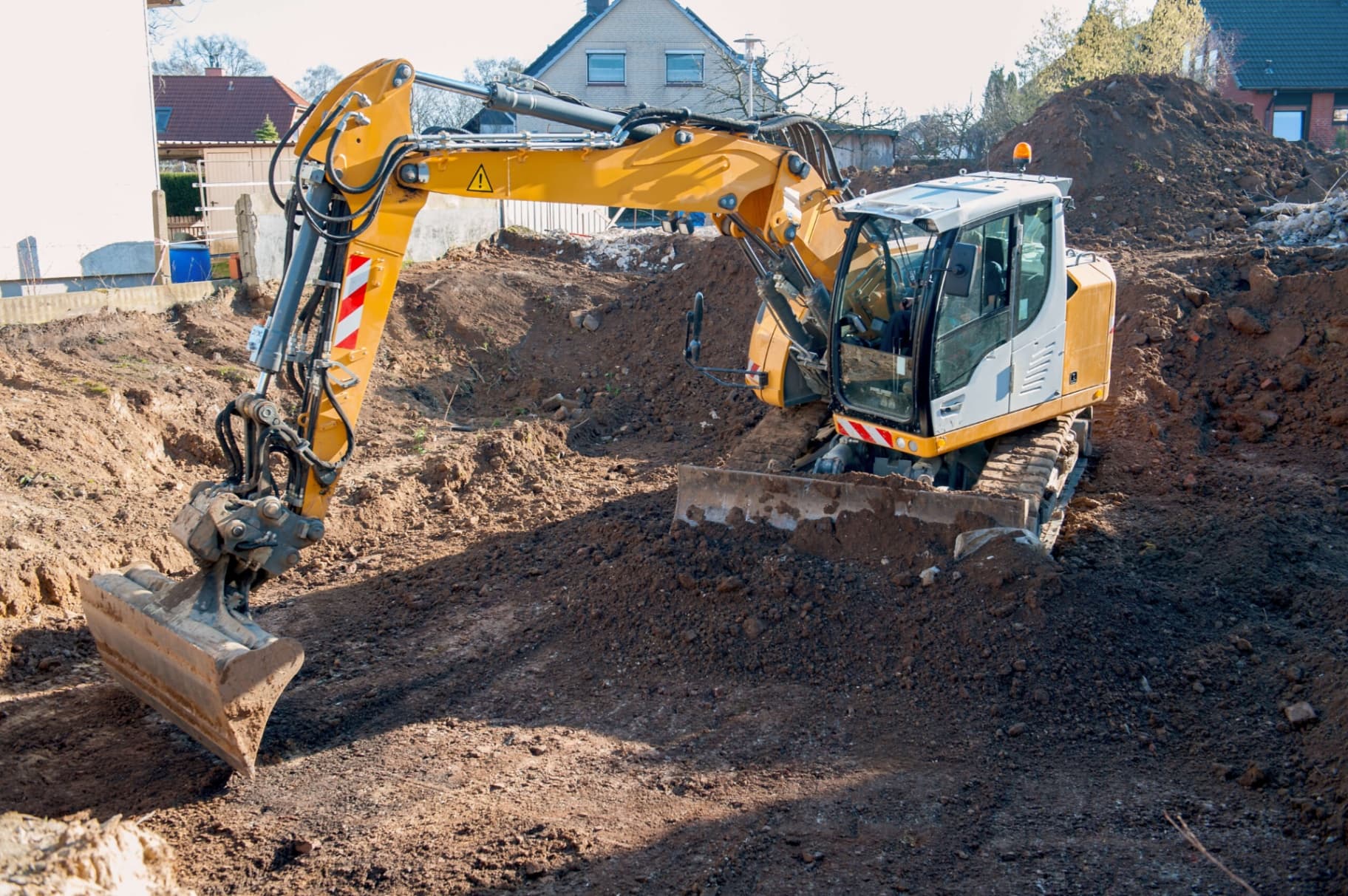
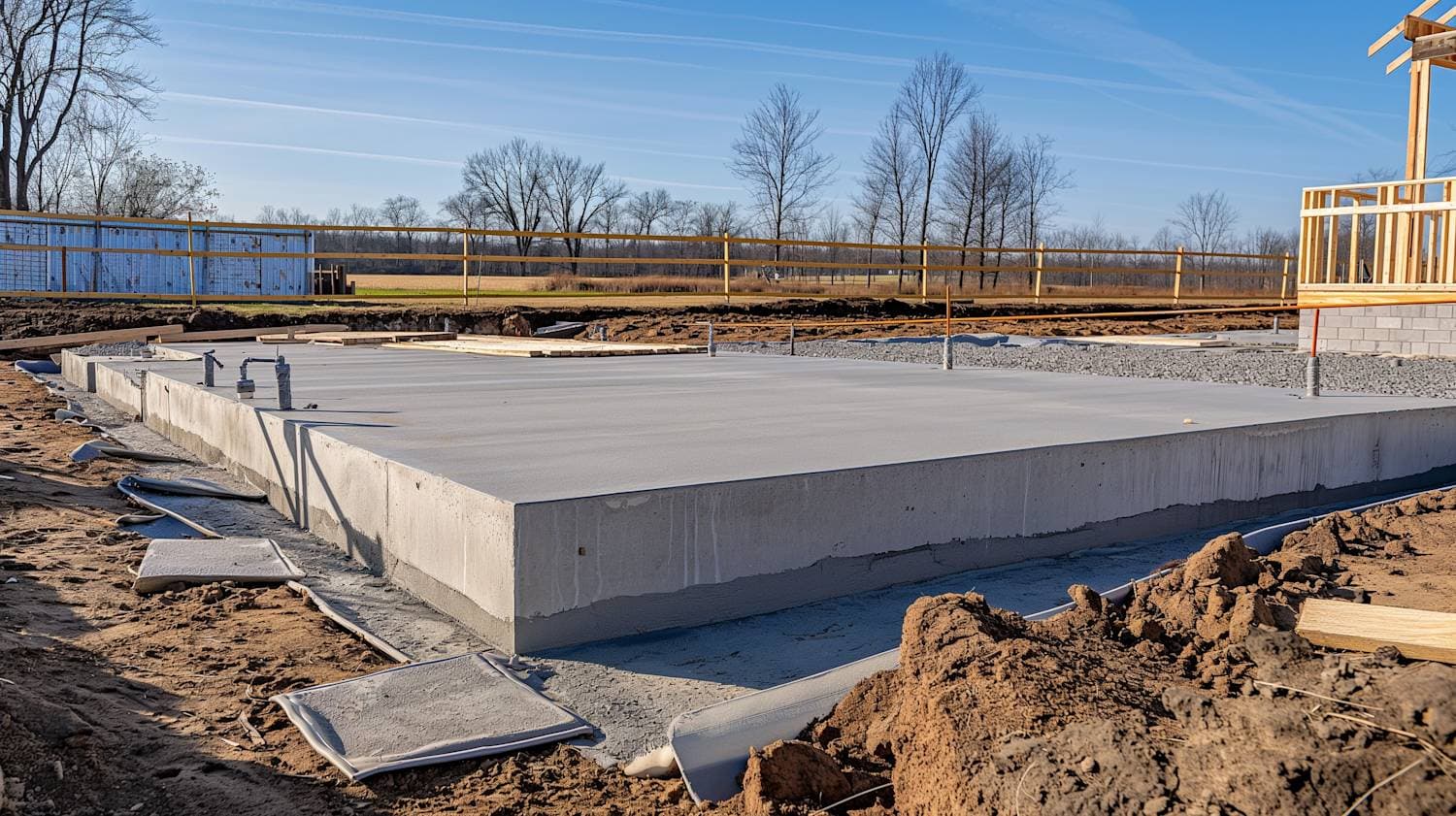
For new construction or additions, hiring an experienced foundation contractor is crucial. They will ensure the design and prep are appropriate for our soil conditions. Often this involves over-excavating some of the natural clay and replacing it with select fill to create a better building pad. They'll also use proper reinforcement (rebar) and perhaps design the slab with deeper concrete beams to create a stiff foundation that can "float" on the moving soil.
Bottom line: A solid, well-built foundation is the best investment you can make in your home's longevity. In Bryan, College Station, and surrounding areas, that means accounting for our expansive clays and wild weather swings. By building right and doing some simple maintenance, you'll keep your home on solid ground for decades to come.